

Compliance That Fits Yardi Users
How Yardi Tax Invoice Processing Works in South Korea
- Rental Data Collection: Gather selected Yardi tenant, lease, property, rental, customer, and billing data for electronic tax invoice preparation.
- Korean Field Verification: Review business details, buyer and supplier information, invoice dates, supply values, VAT amounts, and required fields.
- Property Transaction Mapping: Organize rental and property records according to configured Korean electronic tax invoice structures and document references.
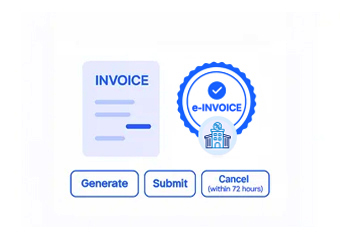
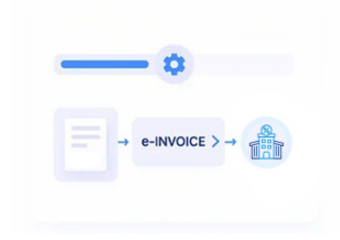
- Tax Invoice Generation: Convert validated Yardi information into structured electronic tax invoice records for configured issuance and transmission workflows.
- Response Reconciliation: Capture processing results, corrections, exceptions, and responses while linking them to originating Yardi property and billing records.
What Invoice Activities Does Advintek Add to Yardi Korea
Advintek adds a connected electronic tax invoice layer to Yardi, helping real estate businesses prepare rental and billing information, map Korean tax fields, structure invoice records, manage processing responses, and maintain links with property transactions.
- Maps Yardi Rental Data to Korean Invoice Fields
- Connects Tenant Records with Tax Invoice Data
- Organizes VAT and Property Billing Information
- Tracks Electronic Invoice Processing Results
Why Yardi Teams Integrate Advintek for Korea E-Invoices
- Rental Transaction Preparation: Use existing Yardi tenant, lease, rental, property, and receivables information as source data for electronic tax invoice workflows.
- Business Registration Mapping: Associate applicable buyer and supplier business registration information with configured electronic tax invoice records.
- Property Billing Relationships: Maintain connections between rental charges, tenants, properties, leases, and resulting electronic tax invoice documents.
- Korean VAT Coordination: Organize taxable supply values, VAT amounts, invoice dates, and relevant tax attributes before electronic document processing.
- Invoice Correction Handling: Support workflows for corrected records, rejected invoices, adjustment information, and related document references within connected property accounting processes.
- NTS Processing Records: Retain applicable issuance, transmission, response, and document references associated with electronic tax invoice workflows involving National Tax Service processes.
South Korea E-Invoicing Tools for Yardi
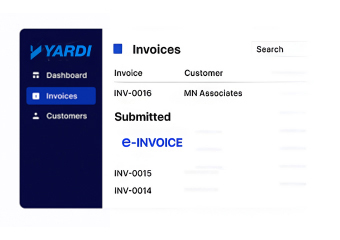
Tenant Invoice Workspace
Review tenant details, rental charges, VAT fields, invoice references, and processing statuses.
Property Billing Links
Connect tax invoices with Yardi properties, leases, tenants, rental transactions, and billing records.
Tax Response Monitoring
Track issuance responses, validation messages, corrections, rejected records, and processing exceptions.
Designed for Yardi Real Estate Businesses in South Korea
Organizations using Yardi for property management, leasing, rental billing, tenant accounting, and real estate finance can connect established ERP information with South Korea electronic tax invoice workflows.
- Continue Rental Billing Through Existing Yardi Processes
- Associate Tax Invoices with Lease Information
- Map Korean VAT Data from Property Records
- Review Invoice Responses Across Finance Workflows
Connect Property Billing to Korean E-Invoicing
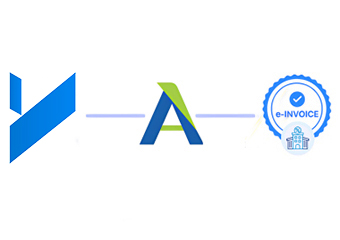
Connect Yardi tenant, lease, property, rental, and billing data with Korean e-invoicing workflows.
Link Yardi Invoice Records with South Korea E-Invoicing.
Ready e-Invoice System
Frequently Asked Questions Yardi E-Invoicing Yardi
How can Yardi connect with South Korea electronic tax invoice software?
Advintek connects Yardi property and billing information with an external electronic tax invoice processing layer. Depending on configuration, tenant, lease, property, rental, customer, VAT, and invoice information can be mapped into structured Korean invoice records. The workflow can support validation, document preparation, electronic processing, response management, and reconciliation while Yardi remains in use.
Which Yardi records can be used for South Korea e-invoicing?
Configured workflows can use tenant information, customer details, property records, lease references, rental charges, invoice amounts, VAT values, billing dates, and related financial information. Advintek can map relevant fields into configured electronic tax invoice structures while maintaining relationships with the originating Yardi transactions.
Can Yardi support South Korea VAT and electronic tax invoice requirements?
Yardi can serve as the source of relevant property, tenant, billing, and financial information used in configured electronic tax invoice workflows. Advintek can help map applicable VAT and transaction fields into structured invoice records and support electronic processing activities. South Korea’s electronic tax invoice framework includes electronic issuance and transmission of tax invoice information through recognised systems and channels.
Can Yardi remain the main property management platform after integration?
Yes. Yardi can continue handling property management, leasing, tenant administration, rental billing, receivables, and related accounting activities while Advintek operates as an external electronic tax invoice processing layer. Selected records can be mapped, validated, structured, processed, and reconciled without replacing the existing property management environment.
How does Advintek help reconcile Yardi invoices in South Korea?
Advintek can associate electronic tax invoice information with Yardi tenants, properties, leases, rental charges, billing records, and financial transactions. Processing statuses, validation results, transmission responses, corrections, and document references can be retained so property finance teams can compare electronic invoice outcomes with originating Yardi records.