

South Korea e-Invoicing Compliance for
Get Started
QuickBooks Users Across Business Workflows
Compliance Capabilities for QuickBooks Accounting Workflows
How QuickBooks Data Reaches Compliance
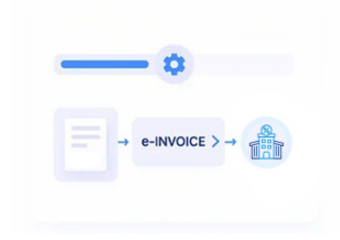
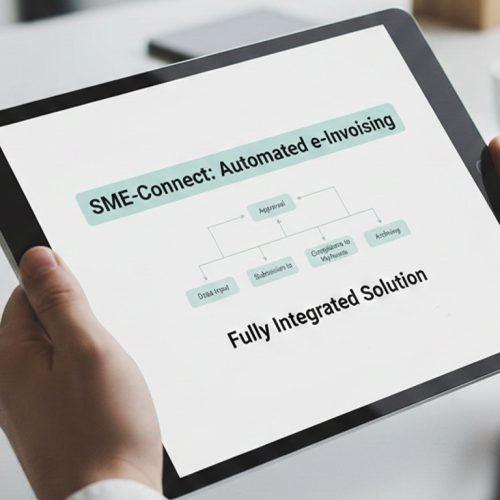
- Invoice Data Capture: QuickBooks invoices enter with customer, tax, item, and transaction fields mapped for Korean compliance.
- Record Validation: Business and invoice details are checked against required tax data before structured document generation.
- Document Structuring: Validated QuickBooks records are transformed into compliant electronic tax invoice structures for downstream processing.
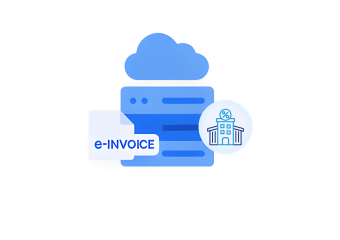
- Controlled Transmission: Prepared invoice documents are routed through configured channels while preserving references, statuses, and traceability.
- Response Synchronization: Transmission results return, allowing QuickBooks processes to capture acceptance or exception details and statuses.
- Record Management: Processed records remain organized for reconciliation, reporting, audit support, and ongoing invoice lifecycle management.
What Advintek Adds to QuickBooks
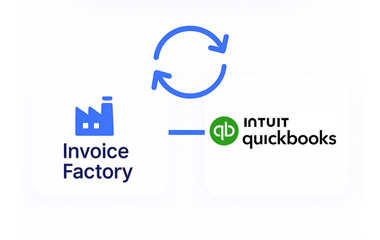
Advintek provides the integration layer between QuickBooks accounting activity and South Korea e-invoicing processes, allowing invoice information to pass through validation, structuring, transmission, and response handling without requiring teams to redesign their core accounting workflow.
- Maps QuickBooks fields to compliance requirements
- Validates invoice records before electronic submission
- Captures transmission responses and processing statuses
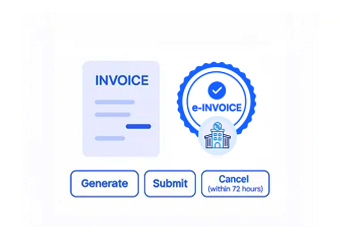
- Supports corrections, credit notes, and invoice updates
Why Practical Benefits Across QuickBooks Operations
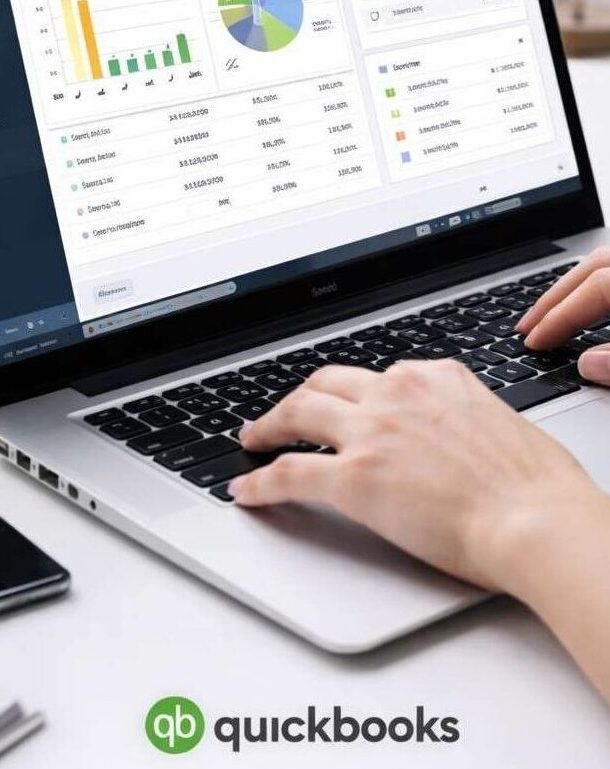
- Accounting Workflow Continuity: QuickBooks remains the source environment while compliance activities operate through an integrated processing layer without disrupting accounting routines.
- Consistent Invoice Processing: Standardized validation and document handling create a repeatable path for invoices across departments, entities, and customer transactions.
- Improved Data Accuracy: Field mapping and pre-submission checks help identify missing or inconsistent invoice information before records enter downstream compliance workflows.
- Centralized Process Visibility: Teams can monitor invoice states, processing outcomes, and exceptions through connected workflow information rather than fragmented manual checks.
- Simplified Exception Handling: Validation responses and transmission issues can be identified within the integration workflow, giving accounting teams clearer follow-up points.
- NTS-Aligned Processing: Advintek supports structured electronic tax invoice workflows designed around South Korea requirements and relevant NTS processes.
Connected Tools for South Korea E-Invoicing
Exception Detection Controls
Identify incomplete invoice information through configurable checks, exception visibility, and correction workflows before records.
Invoice Activity Monitoring
Track processed documents, transmission outcomes, and workflow exceptions through organized operational views.
Compliance Record Support
Maintain accessible invoice information for reconciliation, internal reviews, reporting needs, and audit-related documentation requirements.
QuickBooks Workflows Across South Korea Businesses
Advintek supports organizations using QuickBooks for accounting operations while requiring structured electronic invoicing processes suited to South Korea business and tax workflows.
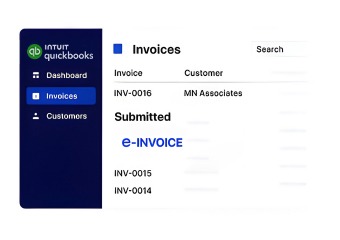
- Continue creating invoices within QuickBooks
- Connect accounting records with compliance workflows
- Organize invoice information for review
- Manage exceptions through centralized processing
Build Compliance Into Accounting Workflows
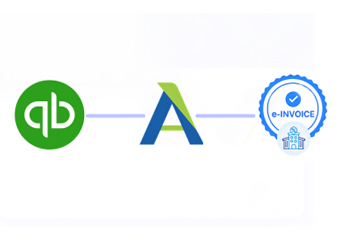
Advintek connects QuickBooks invoice activity with structured South Korea e-invoicing.
Connected to QuickBooks. Coordinated through Advintek.
Ready e-Invoice System
Frequently Asked Questions QuickBooks e-Invoicing in South Korea
How does Advintek connect QuickBooks with South Korea e-invoicing?
Advintek creates an integration layer between QuickBooks and the required electronic invoicing workflow. Invoice information is extracted from the accounting environment, mapped into relevant fields, validated, structured, and processed for transmission. Responses and exceptions can then flow back into the connected workflow, giving accounting teams visibility without replacing their existing QuickBooks-based invoicing process.
Can QuickBooks invoice data be prepared for NTS-related requirements?
Yes. Advintek can structure relevant QuickBooks invoice information for South Korea electronic tax invoice processing and support workflows associated with NTS requirements. The integration focuses on data mapping, validation, document preparation, transmission handling, and response tracking. This allows businesses to use their existing accounting environment while adding a dedicated compliance processing layer.
What happens when a QuickBooks invoice contains incomplete information?
Validation checks can identify incomplete records before they move through the electronic invoicing workflow. Advintek can surface missing or inconsistent information so the appropriate accounting team can review the source transaction and correct it. This creates a controlled exception process instead of allowing problematic QuickBooks invoice data to progress unnoticed.
Can Advintek handle invoice updates and credit-related workflows from QuickBooks?
Advintek can support lifecycle-oriented processing for invoice changes, corrections, and credit-related documents according to the configured South Korea workflow. The integration separates source accounting activity from downstream compliance processing, helping teams preserve QuickBooks as their operational system while managing related document actions through a structured integration layer.
Does integrating QuickBooks require replacing the existing accounting workflow?
No. The integration is designed to work around the existing QuickBooks environment rather than requiring businesses to replace their accounting system. QuickBooks can continue handling invoice creation and accounting activities, while Advintek manages the connected compliance workflow, including validation, document structuring, transmission handling, status tracking, and organized record management.