

South Korea Invoice Processing for Salesforce Starter Users
How Salesforce Starter Connects with South Korea E-Invoicing
- CRM Record Collection: Gather configured customer, product, service, billing, payment, tax, and transaction information from Salesforce Starter.
- Korean Tax Field Assessment: Review available invoice information against configured South Korea electronic tax invoice fields before document preparation.
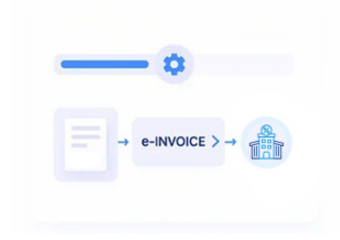
- Electronic Document Formatting: Convert relevant Salesforce Starter billing information into structured electronic invoice data for the configured Korean processing workflow.
- Business Reference Association: Connect invoice records with accounts, opportunities, products, services, and applicable adjustment references.
- NTS-Related Response Handling: Associate available processing results, invoice identifiers, validation notifications, and exceptions with originating Salesforce Starter records.
What Does Salesforce Starter Integration Include for South Korea E-Invoicing
Advintek adds an electronic invoice layer around Salesforce Starter, connecting CRM and billing data with South Korea tax invoice workflows while keeping existing customer and sales processes within Salesforce.
- Prepares CRM billing records for e-invoicing
- Organizes Korean tax identification information
- Associates invoices with Salesforce records
- Tracks configured processing responses and exceptions
Why Bring Salesforce Starter into South Korea E-Invoice Workflows
- CRM Invoice Data Coordination: Connect relevant Salesforce Starter customer and transaction information with structured South Korean electronic tax invoice workflows.
- Customer Identification Handling: Organize available customer, supplier, and business registration information alongside corresponding invoice transactions.
- Tax Information Association: Keep VAT amounts, taxable values, invoice totals, and applicable tax attributes connected with relevant billing records.
- Sales-to-Invoice Traceability: Maintain relationships between electronic invoices and originating accounts, opportunities, products, services, and transaction references.
- Adjustment Relationship Management: Associate refunds, cancellations, credit documents, debit adjustments, and corrected records with relevant original invoice information.
- Processing Event Tracking: Maintain invoice identifiers, validation outcomes, acknowledgements, and exceptions alongside Salesforce Starter records for finance and operational review.
South Korea Electronic Invoice Capabilities for Salesforce Starter
Korean Invoice Validation
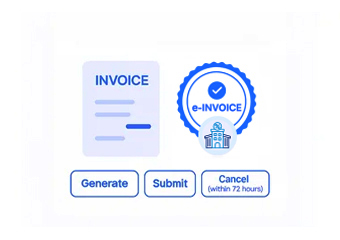
Check customer, supplier, business IDs, invoice, VAT, transaction, and document details before processing.
CRM Transaction Linking
Link electronic invoices with Salesforce Starter accounts, opportunities, products, services, and transactions.
Electronic Response Tracking
Record submission outcomes, validation messages, invoice IDs, acknowledgements, and exceptions against CRM records.
Designed for Salesforce Starter Businesses in South Korea
Organizations using Salesforce Starter for customer relationships, sales activities, service information, product records, and billing-related transactions can connect relevant CRM data with South Korea electronic tax invoice workflows.
- Continue managing customer records in Salesforce Starter
- Connect CRM transactions with Korean tax invoices
- Maintain customer and invoice references
- Review electronic processing outcomes with finance teams
Prepare Salesforce Starter Data for Korean E-Invoices
Connect Salesforce Starter customer, billing, VAT, and transaction data with Korean e-invoice workflows.
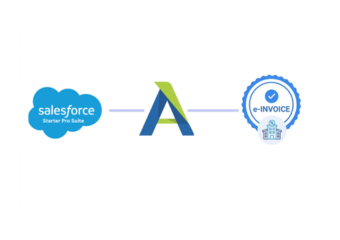
Salesforce Starter billing connected to Korea e-invoices via Advintek.
Ready e-Invoice System
Frequently Asked Questions Salesforce Starter e-Invoicing South Korea
Can Salesforce Starter customer and billing data support South Korea electronic tax invoicing?
Yes. Salesforce Starter can contain relevant customer, product, service, billing, payment, and transaction information that may be used for electronic invoice preparation. Advintek can map configured records into South Korea electronic tax invoice workflows while allowing customer and sales activities to remain within the Salesforce environment.
What Salesforce Starter information can Advintek map for Korean electronic invoices?
Depending on the integration configuration, relevant information can include customer and supplier details, business registration information, invoice identifiers, transaction dates, products or services, taxable amounts, VAT values, payment references, and supporting CRM transaction records. These fields can be organized for structured electronic tax invoice processing.
Can Salesforce Starter accounts remain linked to electronic tax invoices?
Yes. Advintek can associate electronic invoice records with relevant Salesforce Starter accounts, opportunities, products, services, and transaction references. This relationship can help finance and operations teams identify the CRM record associated with an invoice when reviewing billing information, processing responses, or subsequent adjustments.
How does Advintek handle invoice corrections and credit documents from Salesforce Starter?
Configured workflows can associate refunds, cancellations, credit notes, debit adjustments, and corrected invoice information with the relevant Salesforce Starter transaction. Maintaining these relationships helps preserve the connection between the original billing activity and subsequent document changes during electronic invoice processing and financial review.
Can Salesforce Starter e-invoices be tracked through NTS-related processing?
Where the configured electronic invoicing channel provides NTS-related processing information, Advintek can associate available submission results, invoice identifiers, validation messages, acknowledgements, and exceptions with the originating Salesforce Starter records. This creates a reference between electronic tax invoice activity and the underlying CRM transaction.