Regulatory Readiness for QuickBooks Enterprise Operations
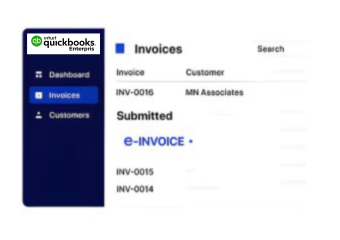
How QuickBooks Enterprise Data Flows Through Advintek
- Enterprise Record Extraction: QuickBooks Enterprise transaction information is collected across relevant entities, customers, tax details, items, and invoice records.
- Entity Data Association: Source information is connected with corresponding business entities before invoice preparation begins within the compliance workflow.
- Invoice Information Validation: Transaction data is reviewed against configured South Korea requirements before electronic document creation and processing.
- Structured Document Generation: Validated Enterprise information is converted into structured E-invoice records for subsequent compliance processing.
- Transmission Response Capture: Processing outcomes are recorded against corresponding Enterprise transactions to provide clearer operational status visibility.
- Accounting Workflow Reconciliation: Completed invoice information remains connected with source records for reconciliation, reporting, and accounting review.
What Does Advintek’s QuickBooks Enterprise Connector Handle
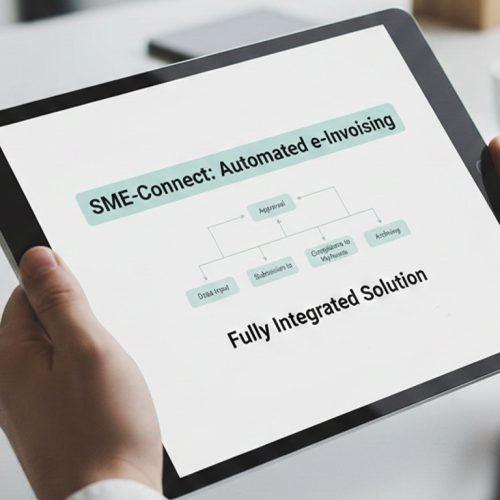
Advintek provides a dedicated compliance integration layer around QuickBooks Enterprise, connecting multi-entity accounting information with South Korea E-invoicing workflows without replacing the underlying Enterprise environment.
- Connects Enterprise records with compliance processing
- Maps information across multiple business entities
- Validates invoices before electronic processing
- Associates responses with originating transactions
Why Practical Impact of Advintek Integration
- Multi-Entity Coordination: QuickBooks Enterprise information can pass through standardized compliance workflows while preserving relationships between entities and accounting records.
- Consistent Data Handling: Defined mapping rules create structured movement of invoice information between QuickBooks Enterprise records and E-invoicing processes.
- Earlier Error Identification: Validation checks can expose incomplete or inconsistent transaction information before documents proceed through downstream processing.
- Improved Process Traceability: Invoice transactions remain associated with processing responses, helping teams investigate statuses and exceptions more efficiently.
- Centralized Compliance Oversight: Enterprise accounting teams gain structured visibility into invoice processing across connected entities and operational workflows.
- NTS-Aligned Processing: Advintek supports South Korea electronic tax invoice workflows with processes designed around applicable NTS requirements.
Core Tools for South Korea E-Invoicing Management
Entity Activity Monitoring
Review invoice processing activity across business entities with organized status information and centralized operational visibility.
Exception Workflow Management
Identify processing issues and route invoice exceptions for review before affected records continue through connected workflows.
Reconciliation Record Support
Coordinate processed invoice information with accounting transactions to simplify reconciliation, reporting, and internal record reviews.
QuickBooks Enterprise Support for Businesses Across South Korea
Advintek connects QuickBooks Enterprise environments with South Korea e-invoicing processes for organizations managing multiple entities, accounting records, and structured invoice operations.
- Centralize invoice processing across entities
- Coordinate Enterprise data with compliance workflows
- Review exceptions before document transmission
- Reconcile processed invoices with accounting records
Keep QuickBooks Enterprise Ready for South Korea
Coordinate multi-entity invoicing through Advintek.
Connected to QuickBooks Enterprise. Managed through Advintek.
Ready e-Invoice System
Frequently Asked Questions QuickBooks Enterprise e-Invoicing South Korea
How does QuickBooks Enterprise integrate with South Korea e-invoicing?
Advintek connects QuickBooks Enterprise with a dedicated electronic invoicing workflow that can extract, map, validate, structure, and process invoice information. Enterprise remains the accounting source while Advintek manages downstream compliance activities. Processing responses can also be associated with originating transactions, helping accounting teams monitor invoice progress and reconcile processed records across business entities.
Can QuickBooks Enterprise manage invoice information across multiple entities?
Yes. QuickBooks Enterprise can provide transaction information from different business entities to the connected Advintek workflow. Relevant entity, customer, tax, item, and invoice information can be mapped separately while following a consistent processing structure. This helps organizations coordinate electronic invoice preparation without losing the relationship between individual transactions and their originating accounting entities.
What validation happens before QuickBooks Enterprise invoices are processed?
Advintek can validate information received from QuickBooks Enterprise before the invoice enters subsequent E-processing. Checks can cover relevant customer, entity, tax, transaction, and invoice attributes based on the configured South Korea workflow. When information is incomplete or inconsistent, the record can be identified for review before further processing occurs.
How does Advintek support NTS-related invoice processing?
Advintek provides an integration layer to prepare QuickBooks Enterprise information for South Korea E-tax invoice workflows aligned with NTS requirements. The process can include field mapping, validation, structured document preparation, transmission handling, and response capture. This allows QuickBooks Enterprise accounting operations to remain connected with regulatory processing without requiring teams to replace their established accounting environment.
Can QuickBooks Enterprise invoice records be reconciled after electronic processing?
Yes. Processed invoice information can remain associated with its originating QuickBooks Enterprise transaction references. This relationship helps accounting teams compare source records with processing outcomes, investigate exceptions, support reconciliation, and organize reporting information. For organizations managing multiple entities, connected references can also provide clearer visibility across separate accounting and E-invoice activities.