

South Korea E-Invoicing Software Solutions with NTS Support

Simplify South Korea E-Invoicing
Get Started With E-Freight EFC-ERP Integration
Through Advintek, eFreight ERP information can support structured South Korea e-invoicing without disrupting established logistics operations.
Powerful features

Compliance That Fits E-Freight ERP Users

Affordable pricing for SMEs

Simple, Transparent Pricing

Starting from as low as

RM 20

From Shipment Records to Invoices

  • eFreight Data Capture: Approved freight transactions originating in eFreight ERP provide source information for electronic invoice preparation workflows.
  • Account Information Matching: Customer, vendor, and account information is matched with shipment transactions before structured invoice creation begins.
  • Commercial Data Assembly: Shipment, route, service, charge, and tax attributes are combined into organized invoice information for processing.
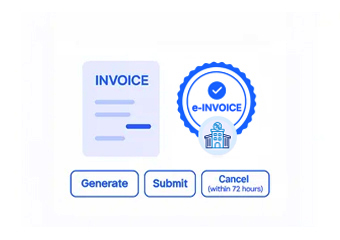
  • Invoice Content Review: Prepared invoice information undergoes review before documents enter configured electronic processing and submission workflows.
  • Response Data Recording: Returned processing responses are recorded against originating freight transactions for accounting and operations review activities.
  • Outcome Record Association: Completed invoice outcomes remain associated with eFreight records to support reconciliation and financial administration processes.

What eFreight Integration Connects

With Advintek integration, eFreight ERP logistics records remain connected to electronic invoicing while shipment, billing, and accounting information progresses through document processing.

ما هو موصل الفاتورة الإلكترونية
sap e invoicing for compliance sap einvoicing sap einvoice

Practical Benefits for eFreight ERP Operations

  • eFreight Billing Integration: eFreight billing information flows into electronic invoice processing while supporting established logistics and accounting operations.
  • Customer Vendor Matching: Relevant customer and vendor details are linked with freight invoices to maintain accurate financial records throughout processing.
  • Shipment Detail Mapping: Shipment references, routes, services, and freight charges are organized before transactions enter structured E-invoice workflows.
  • Freight Charge Organization: Rates, accessorial fees, taxes, and related billing attributes are incorporated into invoice data for financial processing.
  • Invoice Status Tracking: Processing results remain connected to originating freight records, helping teams review exceptions and monitor invoice outcomes.
  • South Korea NTS Processing: Configured workflows support electronic invoicing activities associated with South Korea’s NTS requirements for logistics transactions.
Powerful features

South Korea Tools for eFreight ERP

مُصمم خصيصًا لمكاتب المحاماة

eFreight ERP Data Across Invoice Workflows

eFreight ERP supports logistics operations through shipment, customer, billing, and financial information. Advintek connects relevant freight records with South Korea e-invoicing processes, helping preserve relationships between operational activity and resulting invoice documents.

South Korea Compliance, Simplified.

Automate Your E-Invoicing Workflow

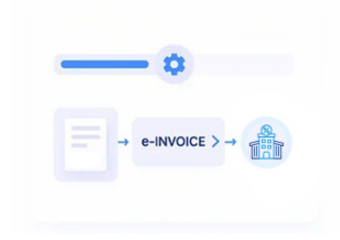
Bring eFreight ERP billing into South Korea e-invoicing through Advintek.

Coordinate logistics records with compliant workflows.

Ready e-Invoice System

0 % NTS

Frequently Asked Questions E-Freight ERP E-Invoicing South Korea

Which eFreight ERP information can support South Korea e-Invoicing?

Relevant eFreight records may include shipment transactions, customer and vendor accounts, freight charges, service information, tax details, billing references, and accounting entries. Advintek can connect applicable logistics information with E-invoicing workflows, allowing businesses to use established ERP data while supporting structured invoice preparation, processing, response handling, and financial reconciliation.

Before invoice preparation, shipment and billing information can be associated around the originating eFreight transaction. Route references, service details, freight charges, customer information, and applicable tax attributes can contribute to the invoice record. This preserves the relationship between operational shipment activity and financial documentation throughout the connected E-invoicing process.

During preparation, freight charges can be organized with relevant shipment and billing information before E-invoice processing. Base freight amounts, applicable accessorial charges, service details, and tax information can remain associated with the originating transaction. Finance teams can therefore review processed invoices alongside the logistics accounting information supporting those charges.

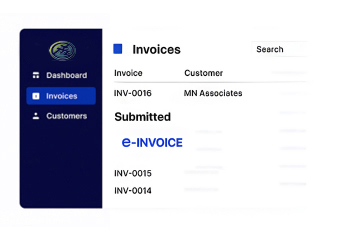
After invoice processing, E-invoice information can remain associated with the eFreight transactions that generated the underlying billing data. Accounting teams can compare invoice outcomes with shipment records, customer or vendor accounts, freight charges, and accounting entries, supporting reconciliation and exception investigation without separating electronic invoicing from established logistics ERP records.

NTS is the government authority involved in South Korea’s tax administration and electronic tax invoicing environment. Advintek connects relevant eFreight ERP information with structured e-invoicing workflows, allowing logistics businesses to coordinate shipment, billing, and invoice data while retaining their existing accounting and operational records.