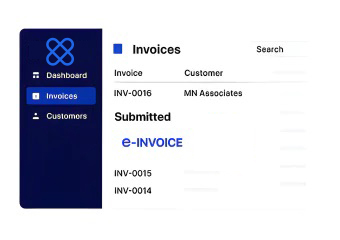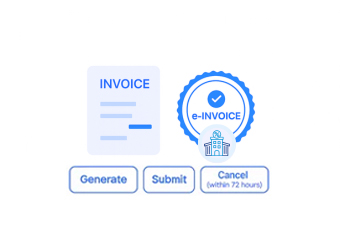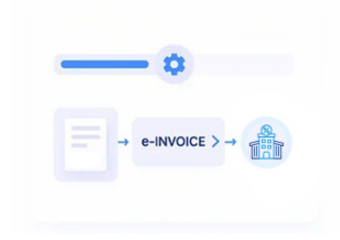


Affinity CRM Records Ready for Invoicing
How Affinity CRM Handles Invoice Processing in Slovenia
- Client Data Selection: Relevant Affinity CRM records enter Advintek with their originating client and financial context preserved.
- Matter Details Matched: Matter, account, and customer information is matched against applicable billing transactions for accuracy.
- Billing Information Combined: Service, receivable, tax, and financial details are consolidated into structured invoice information for processing.
- Document Fields Reviewed: Electronic invoice content is checked against applicable Affinity records before processing continues through Advintek.
- Processing Responses Recorded: Processing responses are captured with source references for controlled reconciliation and subsequent review.
- Invoice Outcomes Associated: Completed invoice outcomes are connected with originating Affinity records for financial analysis and reconciliation.
What Affinity CRM Connects Across Business Functions in South Korea
Affinity CRM supports client relationships, matters, billing, services, receivables, and financial information across connected business processes. Advintek uses relevant relationships to support electronic invoicing without separating documents from their originating business context.
- Client accounts connect with billing records
- Matter information accompanies applicable transactions
- Service details support invoice preparation
- Receivable data strengthens financial reconciliation
Why Affinity CRM Benefits Businesses in South Korea
- Client Billing Continuity: Finance teams retain Affinity CRM billing context while electronic invoices progress through connected processing workflows.
- Matter Relationship Visibility: Matter references remain associated with billing activity when client-related transactions enter electronic invoice processing.
- Receivable Process Clarity: Receivable information stays connected to applicable financial transactions during invoice review and reconciliation.
- Service Context Retention: Service details remain available when operational activity contributes supporting information for electronic documents.
- Financial Review Support: Finance teams can compare processed documents against originating Affinity records during reconciliation activities.
- NTS Requirement Support: NTS-related requirements can be addressed while Affinity continues managing applicable client and financial information.
Specialized Affinity CRM Tools for South Korea
Matter Billing Explorer
Examine client, matter, billing, and invoice relationships through a focused transaction review workspace.
Receivable Analysis Desk
Review receivable records alongside processed documents and originating Affinity transaction information.
Client Finance Monitor
Track financial document relationships using customer accounts, billing references, and processing outcomes.
Affinity CRM Across South Korea
Affinity continues managing client and billing relationships while Advintek connects applicable business information with South Korea e-invoicing workflows.
- Client accounts remain within Affinity
- Matter references retain billing context
- Service records support commercial documentation
- Receivables remain linked to transactions
Built for South Korea Compliance
Connect Affinity billing records with South Korea e-invoicing through Advintek.
Coordinate client finance through compliant workflows.
Ready e-Invoice System
Frequently Asked Questions Affinity CRM E-Invoicing South Korea
How does Affinity CRM data support South Korea e-invoicing?
Affinity can provide applicable client accounts, matter references, billing information, service details, receivable records, and financial attributes for electronic invoice preparation. Advintek connects the relevant information within the invoicing workflow while preserving its originating relationships. This allows teams to continue managing client and billing activity within Affinity while electronic documents are processed through the connected environment.
Which Affinity billing information can enter an invoice?
Relevant billing information may include customer references, matter details, service descriptions, transaction values, tax information, and receivable context. Advintek organizes applicable Affinity data according to the transaction and invoice requirements. The originating CRM records remain connected, allowing finance and billing teams to understand where electronic invoice information originated during subsequent reviews.
Can matter records remain associated with invoices?
Yes. Applicable matter references can remain connected to billing transactions when they provide useful commercial or service context. Advintek associates relevant Affinity information during invoice processing rather than separating the document from its source records. This helps teams trace invoice activity back to client matters when reviewing billing information, exceptions, or reconciliation results.
What role do receivables play in Affinity invoicing?
Receivable information can provide financial context for applicable billing transactions and support subsequent reconciliation. Advintek can associate relevant receivable records with electronic invoice processing while maintaining their connection to Affinity. Finance teams can therefore review document outcomes alongside underlying customer accounts and billing activity instead of managing invoice information as an isolated record.
How does NTS relate to Affinity CRM workflows?
The National Tax Service, or NTS, is part of South Korea’s tax administration environment relevant to electronic invoicing. Advintek provides the processing layer between applicable Affinity information and electronic invoice workflows. Affinity continues supporting client, matter, billing, service, and financial records while Advintek handles the connected electronic document-processing activities for South Korea.