

Oracle JD Edwards EnterpriseOne ERP Workflows for Compliance
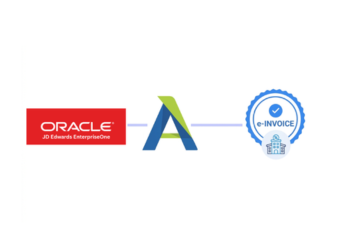
How Advintek Handles Oracle JD Edwards EnterpriseOne e-Invoicing
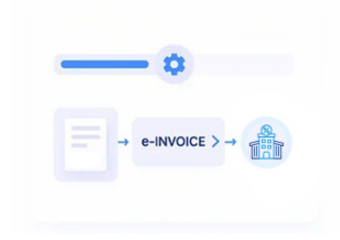
- Source Records Enter: Oracle JD Edwards EnterpriseOne transaction records enter Advintek with relevant financial and operational context intact for processing.
- ERP Context Matched: Customer, supplier, account, and organizational details are matched against originating transaction information for accuracy.
- Transaction Details Combined: Order, item, tax, and accounting details are combined into structured invoice-ready information for review.
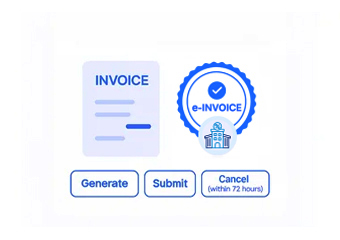
- Invoice Documents Checked: Required invoice information is reviewed before electronic processing continues through the connected workflow securely.
- Processing Responses Captured: Processing responses are captured and associated with their corresponding EnterpriseOne transaction references for reconciliation.
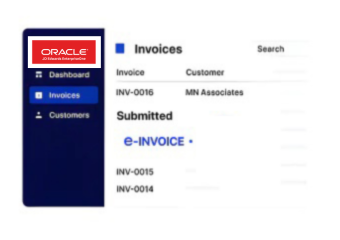
- Invoice Results Linked: Invoice outcomes are linked back to ERP records for reconciliation and operational review afterward.
What Does Advintek’s Oracle JD Edwards EnterpriseOne Connector Handle
Advintek works around Oracle JD Edwards EnterpriseOne’s connected ERP structure, allowing financial and operational information to retain its originating relationships.
- Finance records align with invoice transactions
- Orders connect with customer billing data
- Purchasing activity links supplier transaction records
- Inventory references accompany relevant commercial documents
Why Oracle JD Edwards EnterpriseOne Users Connect with Advintek
- Financial Process Continuity: Finance teams retain originating accounting context while electronic invoices progress through connected processing workflows.
- Order Billing Visibility: Sales information stays associated with billing activity, supporting clearer review of commercial EnterpriseOne transactions.
- Supplier Transaction Context: Supplier records remain connected to purchasing details when vendor transactions contribute relevant invoice information.
- Inventory Reference Traceability: Relevant product and inventory references remain available alongside applicable commercial document records for review.
- Accounting Reconciliation Support: Accounting teams can compare processed invoice information against originating EnterpriseOne financial transactions during reconciliation.
- NTS Workflow Alignment: NTS-related processing requirements can be supported while EnterpriseOne remains the central ERP environment for finance.
Specialized Oracle JD Edwards EnterpriseOne Controls for South Korea
Transaction Audit View
Review transaction relationships, invoice outcomes, and source ERP references from one operational interface.
ERP Exception Workspace
Investigate processing issues with connected records, transaction context, and document-level information available together.
Document Reference Panel
Access invoice identifiers alongside EnterpriseOne references for streamlined reconciliation and historical document review.
Oracle JD Edwards EnterpriseOne Operations in South Korea
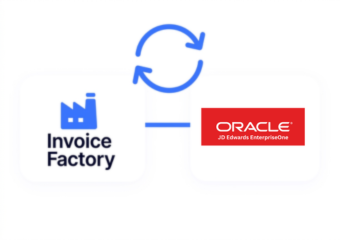
Oracle JD Edwards EnterpriseOne remains the core ERP environment while Advintek handles connected South Korea e-invoicing workflows around applicable records.
- Financial structures remain within EnterpriseOne records
- Customer relationships stay linked to transactions
- Procurement records retain supplier context
- Invoice outcomes support ERP reconciliation reviews
To Automate South Korea E-Invoicing
Connect EnterpriseOne records with South Korea e-invoicing through Advintek.
Coordinate ERP data through compliant workflows.
Ready e-Invoice System
FAQs About EnterpriseOne e-Invoicing in South Korea
How does Oracle JD Edwards EnterpriseOne financial data support South Korea e-invoicing?
Oracle JD Edwards EnterpriseOne can provide relevant customer, supplier, order, accounting, tax, and transaction information for electronic invoice preparation. Advintek works with applicable ERP records and organizes the required data within the connected workflow. This allows finance teams to continue using EnterpriseOne as their system while electronic documents are processed through a dedicated compliance layer.
Which Oracle JD Edwards EnterpriseOne transactions can be connected to invoicing?
Applicable sales, billing, purchasing, inventory, and financial transactions can contribute information when they contain relevant invoice details. Advintek associates these records with supporting master data and accounting context before processing. The exact information used depends on the transaction and South Korea requirements, while Oracle JD Edwards EnterpriseOne remains responsible for originating the underlying business records.
Can Oracle JD Edwards EnterpriseOne preserve customer and supplier relationships?
Yes. Customer and supplier references can remain associated with the transactions from which invoice information originates. Advintek uses those relationships when preparing and processing E-documents, helping finance and procurement teams understand the source of invoice data. This preserves useful ERP context for reviewing billing activity, purchasing records, exceptions, and processed document outcomes.
Where does NTS fit into an Oracle JD Edwards EnterpriseOne invoicing workflow?
South Korea’s National Tax Service, or NTS, is the relevant tax authority within the country’s electronic tax environment. Advintek provides the connected processing layer between applicable Oracle JD Edwards EnterpriseOne information and E-invoicing workflows. Businesses can therefore address relevant tax requirements while continuing to manage customers, suppliers, accounting, orders, and financial records within EnterpriseOne.
Does Advintek replace Oracle JD Edwards EnterpriseOne?
No. Oracle JD Edwards EnterpriseOne remains the ERP environment for managing core business transactions, accounting information, customer and supplier records, purchasing, orders, and related financial activity. Advintek operates alongside it as the electronic invoicing layer. Relevant ERP information is connected for document processing, while EnterpriseOne continues supporting the business processes and records that originate each transaction.