

Microsoft Power Apps Data Across Compliance
How Microsoft Power Apps Records Enter Invoicing
- Application Data Capture: Relevant Microsoft Power Apps records enter processing with associated business context and source references fully preserved.
- Business Records Matching: Customer, supplier, and organizational details are matched against corresponding transaction information before document preparation begins.
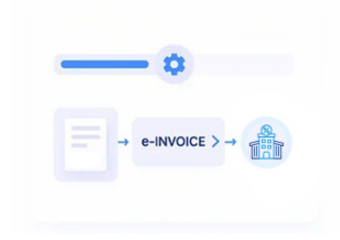
- Commercial Data Assembly: Sales, purchasing, finance, and operational fields are assembled into structured invoice-ready business records for processing.
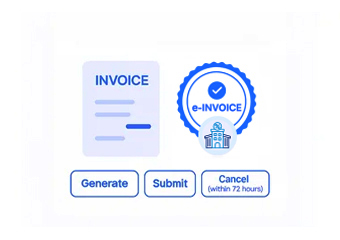
- Invoice Content Review: Required invoice information is reviewed against configured rules before electronic processing and submission activities proceed.
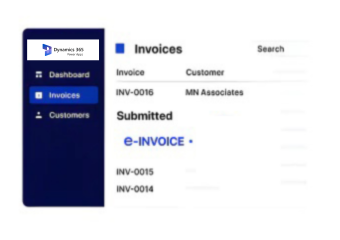
- Processing Status Capture: Processing responses and document statuses are captured alongside originating application and enterprise records for visibility.
- Invoice Results Association: Completed invoice results are associated with source records for accounting review and operational reconciliation activities.
What Microsoft Power Apps Integration Connects
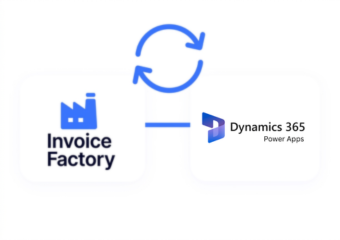
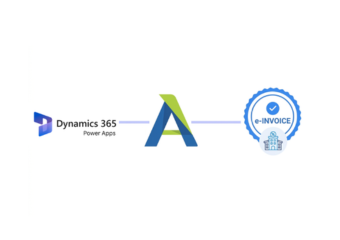
Microsoft Power Apps can serve as an application layer for ERP-style business processes, while Advintek connects relevant records with South Korea e-invoicing without replacing existing enterprise systems.
- Application fields align with invoice requirements
- Department data accompanies relevant transactions
- Project references connect with billing records
- Customer details support document preparation
Why Practical Value For Microsoft Power Apps
- Financial Process Continuity: Finance teams can relate electronic invoice activity to Microsoft Power Apps records across connected enterprise processes.
- Sales Information Consistency: Business users retain relationships between sales transactions, customer information, and resulting electronic invoice documentation.
- Procurement Context Preservation: Procurement activity remains associated with supplier records when purchasing information contributes to invoice preparation.
- Approval History Visibility: Approval history provides useful context when teams review invoice records against originating business transactions.
- Operational Data Alignment: Operational information stays connected with financial documents, supporting clearer reconciliation across application workflows.
- NTS Workflow Support: South Korea processing can accommodate NTS requirements while Microsoft Power Apps continues supporting established business operations.
South Korea Tools For Microsoft Power Apps
Application Monitoring Hub
Review invoice activity with source records and processing status through centralized application dashboards.
Exception Analysis Workspace
Examine exceptions alongside originating transactions before completing electronic document processing and reconciliation.
Outcome Comparison Center
Compare invoice outcomes with business records for finance and operational review across connected workflows.
Created Around Microsoft Power Apps Needs in South Korea
Custom Power Apps solutions can supply business, financial, customer, procurement, and approval data to Advintek, which organizes applicable records for South Korea e-invoicing and NTS processing.
- Configurable applications support diverse business processes
- Finance teams access connected transaction context
- Workflow approvals accompany authorized invoice data
- Business records remain linked after processing
Simplify Your Digital Billing Operations
Link Microsoft Power Apps with South Korea e-invoicing using Advintek.
Support connected enterprise records through compliant workflows.
Ready e-Invoice System
Frequently Asked Questions Power Apps e-Invoicing in South Korea
Can Microsoft Power Apps support South Korea e-invoicing workflows?
Yes. Microsoft Power Apps can provide business records collected through customized applications, forms, approvals, and connected processes. Advintek can use relevant information from those workflows for electronic invoice preparation and processing. This allows organizations to connect their existing Microsoft Power Apps applications with South Korea e-invoicing while retaining the operational structure already used by their teams.
What types of Microsoft Power Apps data can support invoice preparation?
Depending on the application design, relevant information may include customer records, sales transactions, supplier details, purchasing information, financial fields, approval records, tax attributes, and other enterprise data. Advintek works with applicable source information and organizes it for E-invoicing, helping organizations connect customized Microsoft Power Apps workflows with structured financial documentation.
How does Advintek connect customized Microsoft Power Apps applications?
Advintek provides an e-invoicing layer around the relevant Microsoft Power Apps business processes. Information captured through customized applications can be organized, checked, processed, and associated with resulting invoice records. This approach allows Power Apps to continue handling business-specific workflows while Advintek manages the electronic invoicing process and related South Korea compliance activities.
Does NTS affect Microsoft Power Apps invoice processing in South Korea?
NTS, the National Tax Service of South Korea, is relevant to the country’s tax administration and electronic invoice environment. Advintek supports applicable processing requirements using information supplied through connected Microsoft Power Apps workflows. Organizations can therefore align customized business applications with South Korea e-invoicing processes without rebuilding the underlying application structure around tax administration requirements.
Will Advintek replace Microsoft Power Apps or existing ERP systems?
No. Advintek is intended to complement Microsoft Power Apps and the enterprise systems connected to it. Power Apps can continue managing customized forms, approvals, transactions, and operational information, while existing ERP systems remain responsible for their core functions. Advintek adds the electronic invoicing layer and associates processing results with relevant source business records.