

E-Invoicing Support for Business Central in South Korea
How Business Central Enables South Korea E-Invoice Processing
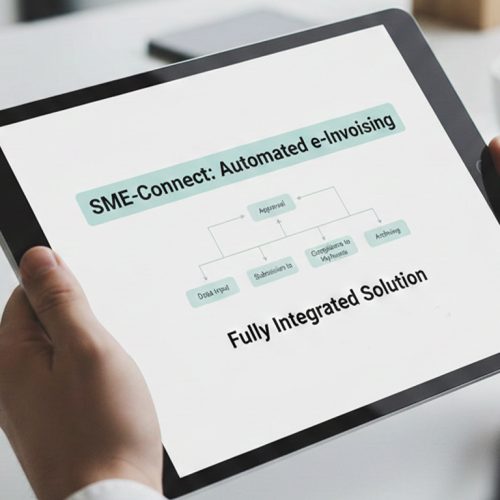
- Business Central Data Retrieval: Collect invoice, customer, supplier, item, VAT, payment, and accounting information from established Business Central processes.
- Invoice Information Review: Check tax invoice fields, taxable amounts, VAT values, dates, identifiers, totals, and transaction references before processing.
- Structured Invoice Preparation: Organize Business Central billing records into electronic invoice data required for configured South Korea workflows.
- Electronic Invoice Exchange: Send prepared invoice information through supported electronic document channels and capture available processing responses.
- ERP Reconciliation: Link invoice outcomes, acknowledgements, and exceptions with Business Central sales, receivables, accounting, and transaction records.
What Does Business Central E-Invoicing Include in South Korea
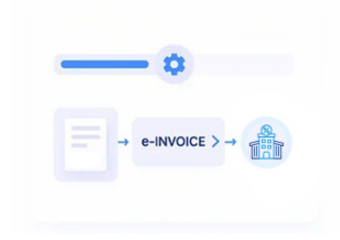
Advintek adds an external e-invoice layer around Microsoft Dynamics Business Central, helping businesses prepare tax invoice data, manage document exchange, monitor responses, and reconcile invoices without replacing existing core ERP workflows.
- Retrieves billing information from Business Central
- Reviews VAT and electronic tax invoice fields
- Prepares structured invoice data for configured workflows
- Coordinates electronic document exchange activities
Why Extend Business Central for E-Invoicing in South Korea
- Accurate Invoice Preparation: Organize supplier, buyer, item, VAT, taxable value, date, and invoice reference information before electronic processing.
- Connected Financial Records: Associate electronic tax invoices with Business Central sales, receivables, payments, credit notes, and accounting entries.
- Reduced Repetitive Administrative Tasks: Automate recurring data preparation, field mapping, document creation, and exchange activities across billing workflows.
- Exception-Focused Processing: Identify incomplete fields, mismatched values, rejected documents, and transaction references requiring finance-team review.
- Better Invoice Traceability and Control: Follow electronic invoice activity from the original Business Central transaction through processing, response handling, and reconciliation stages.
- Flexible Billing Operations: Support different invoice volumes, recurring billing scenarios, departments, and Business Central finance processes.
South Korea E-Invoicing Features for Microsoft Dynamics Business Central
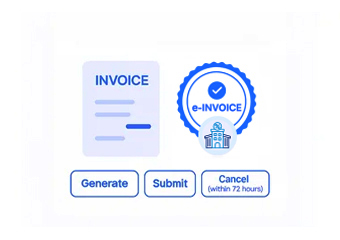
Invoice Data Validation
Review Business Central invoice fields, VAT values, totals, dates, and references before electronic processing.
Invoice Status Tracking
Track submitted invoices, processing responses, rejected documents, and status updates across electronic workflows.
Transaction Reconciliation
Match electronic invoice outcomes with Business Central transactions, references, amounts, and accounting records.
Built for Business Central Users in South Korea
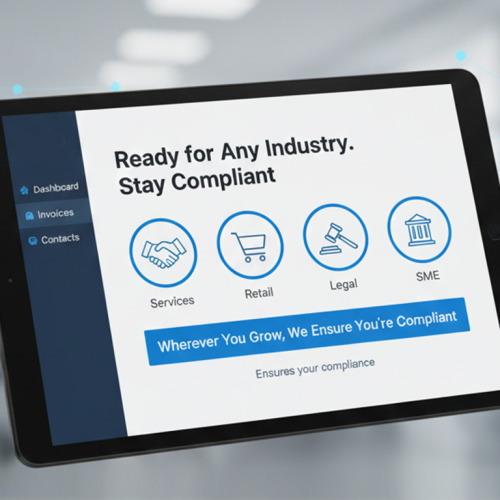
Organizations using Microsoft Dynamics Business Central across finance, distribution, manufacturing, wholesale, services, and accounting can connect existing ERP billing activities with structured electronic tax invoice processing.
- Continue creating invoices through Business Central workflows
- Connect sales and accounting data with tax invoices
- Support recurring and high-volume billing activities
- Maintain invoice references with source transactions
Manage Business Central Tax Invoices Korea
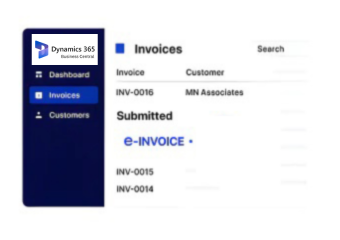
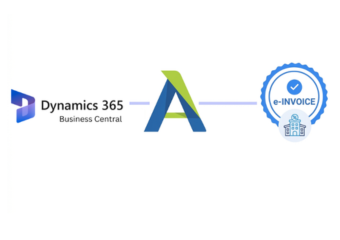
Advintek connects Business Central data with South Korea tax invoice workflows.
Business Central linked with South Korea electronic tax workflows by Advintek.
Ready e-Invoice System
Frequently Asked Questions Microsoft Dynamics e-Invoicing South Korea
Can Business Central support South Korea electronic tax invoice requirements?
Business Central can provide invoice, customer, supplier, VAT, transaction, and accounting information used within electronic tax invoice processes. Advintek can connect these existing Business Central records with configured South Korea e-invoicing workflows for document preparation, exchange, response handling, and reconciliation.
What Business Central data can Advintek use for Korean tax invoices?
Advintek can work with configured Business Central information such as customer and supplier details, invoice references, transaction dates, item information, taxable values, VAT amounts, totals, payment references, and accounting data. The specific fields used depend on the organization’s Business Central configuration and invoice workflow.
How are electronic tax invoice responses handled with Business Central?
Advintek can monitor available processing responses associated with electronic tax invoices and relate those results to originating Business Central transactions. Processing messages, rejected documents, exceptions, and invoice references can be tracked so finance teams can review outstanding items and reconcile completed invoice activity.
Can Advintek support recurring invoices from Business Central in South Korea?
Yes, configured recurring billing scenarios can be incorporated into South Korea electronic tax invoice workflows. Advintek can use recurring invoice information from Business Central for structured preparation and document processing, helping maintain consistent invoice references and supporting repeated billing activities across established finance processes.
Does Advintek replace Business Central for South Korea e-invoicing?
No. Advintek operates as an external e-invoice layer around Microsoft Dynamics Business Central rather than replacing the core ERP. Existing Business Central billing and accounting processes can remain in place while Advintek supports configured data preparation, electronic document exchange, response monitoring, exception handling, and reconciliation.