

A Compliance Approach for SAP ECC Users
How Advintek Processes Invoices from SAP ECC
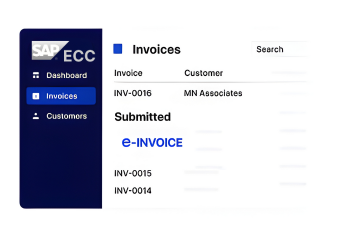
- Transaction Context Entry: Relevant SAP ECC transactions enter Advintek with their originating financial and operational context preserved.
- Master Data Matching: Customer, vendor, material, and organizational records are matched against applicable transaction information for consistency.
- Commercial Data Assembly: Sales, purchasing, tax, and accounting details are assembled into structured information for invoice preparation.
- Document Content Review: Invoice content undergoes contextual checks before applicable electronic processing continues through the connected workflow.
- Response Information Capture: Processing responses are recorded alongside SAP ECC references for controlled review and reconciliation activities.
- Outcome Record Association: Completed invoice outcomes remain associated with originating ERP records for finance and operational follow-up.
What Does Advintek’s Connector Manage for SAP ECC
SAP ECC brings financial accounting, materials management, sales, procurement, and master data together. Advintek works around those relationships so relevant information remains connected throughout electronic invoice processing.
- Financial postings connect with billing documents
- Customer masters accompany relevant sales transactions
- Vendor data links with purchasing activity
- Material records support commercial invoice context
Why SAP ECC Businesses Use Advintek for e-Invoicing
- Financial Workflow Continuity: Finance teams can maintain SAP ECC accounting information while electronic invoice activities run through connected processing workflows.
- Sales Billing Clarity: Sales teams can relate customer transactions to billing details and the resulting electronic invoice documents.
- Procurement Record Traceability: Procurement teams can review supplier activity alongside purchasing records and associated invoice information.
- Material Information Retention: Material references remain connected to commercial transactions when product details are needed for electronic invoice documentation.
- Accounting Reconciliation Assistance: Accounting teams can match processed invoice information against originating SAP ECC postings during reconciliation and review.
- NTS Compliance Support: Electronic invoicing workflows can accommodate applicable NTS requirements while SAP ECC continues handling core enterprise financial operations.
Complete Support for South Korea e-Invoicing
Posting Analysis Workspace
Review financial postings, invoice relationships, and originating SAP ECC references through one connected workspace.
Material Exception Monitor
Analyze material and transaction exceptions with supporting ERP context available during document review.
Document Reconciliation Desk
Compare processed invoices against source records using searchable transaction and document relationships.
SAP ECC Operations in South Korea
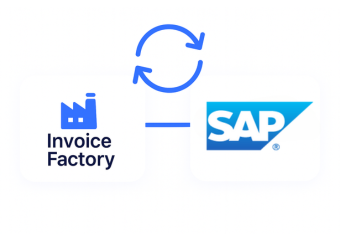
SAP ECC remains the central ERP environment for enterprise transactions while Advintek handles the connected electronic invoicing layer for South Korea.
- Accounting structures remain within SAP ECC
- Sales activity retains customer transaction context
- Procurement records preserve vendor relationships
- Materials stay associated with commercial activity
Modernize Your Digital Invoice Workflow
Link SAP ECC billing and accounting data with South Korea e-invoicing through Advintek.
Extend established ERP processes into compliant invoice workflows.
Ready e-Invoice System
FAQs About SAP ECC E-Invoicing in South Korea
Can SAP ECC billing documents feed electronic invoices?
Yes. Applicable SAP ECC billing documents can provide transaction details, customer information, material references, tax attributes, and accounting context for electronic invoice preparation. Advintek works with the relevant ERP information and connects it to the invoicing workflow. SAP ECC therefore continues managing billing and financial operations while electronic documents are handled through the connected processing environment.
Which SAP ECC master data matters for invoice processing?
Customer, vendor, material, company, and tax-related master data can provide important context for electronic invoice creation. Advintek associates applicable master information with the corresponding SAP ECC transaction instead of separating it from its ERP source. This helps maintain consistent commercial and accounting relationships when invoice information moves through the electronic processing workflow.
How are SAP ECC finance records linked with invoices?
Financial information originating within SAP ECC can remain associated with the applicable billing or commercial transaction during electronic invoice processing. Relevant accounting references provide useful context for finance teams reviewing document outcomes, reconciling transactions, or investigating exceptions. Advintek adds the invoicing layer without replacing SAP ECC as the primary environment for enterprise financial management.
What SAP ECC procurement information can enter the workflow?
Depending on the transaction, purchasing documents can contribute vendor details, material references, quantities, tax information, accounting attributes, and related commercial data. Advintek can connect applicable procurement information with electronic documentation while preserving its relationship with SAP ECC records. This gives purchasing and finance teams a clearer view of invoice information alongside the originating procurement activity.
How does NTS relate to SAP ECC e-invoicing?
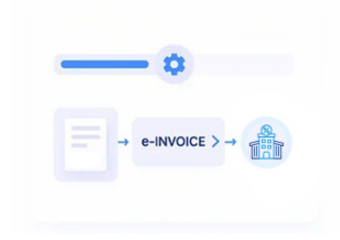
The National Tax Service, or NTS, is part of South Korea’s tax administration framework relevant to electronic invoicing. Advintek provides an intermediary processing layer that connects applicable SAP ECC data with the required electronic invoice workflow. Organizations can therefore continue managing core ERP processes in SAP ECC while supporting the relevant South Korea invoicing requirements.