

Oracle NetSuite Financials Meet South Korea Compliance
How Advintek Processes Invoices from Oracle NetSuite
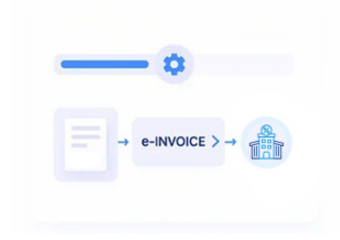
- Transaction Context Capture: Relevant Oracle NetSuite transactions enter processing with subsidiary, financial, and commercial references preserved throughout the workflow.
- Partner Details Matched: Customer and vendor information is matched with transactions before invoice records are assembled for processing.
- Commercial Records Consolidated: Order and billing details are consolidated with accounting information to create structured electronic document records.
- Invoice Fields Checked: Invoice fields undergo configured checks before prepared documents proceed through applicable South Korea processing workflows.
- Processing Responses Logged: Returned statuses and responses are recorded against originating NetSuite transactions for operational visibility and review.
- Financial Results Reconciled: Completed invoice information is compared with source records during accounting reconciliation and enterprise financial review.
What Does Advintek Connect Within Oracle NetSuite Processes
Oracle NetSuite provides a unified environment for financials, subsidiaries, sales, purchasing, vendors, customers, and reporting. Advintek connects the appropriate ERP information with South Korea e-invoicing while allowing core NetSuite processes to remain the foundation for enterprise.
- Subsidiaries retain their original financial context
- Orders connect directly with billing information
- Vendor activity remains linked to purchases
- Accounting entries support invoice reconciliation reviews
Why Oracle NetSuite Businesses Use Advintek for e-Invoicing
- Connected Financial Tracking: Processed invoices can remain associated with NetSuite accounting entries, helping teams trace activity across subsidiaries, periods, and related transactions.
- Order-to-Invoice Context: Customer, sales order, and billing information stays connected to E-documents, preserving commercial context throughout the invoicing process.
- Supplier Transaction Insight: Vendor and purchasing records can be reviewed alongside invoice outcomes, giving procurement teams visibility into related transaction activity.
- Simplified Account Reconciliation: Invoice results can be matched against originating NetSuite entries to support reconciliation, period closing, and reporting activities.
- Multi-Entity Financial Context: Subsidiary information remains linked with relevant transactions, supporting financial analysis and reporting across separate NetSuite business entities.
- South Korea NTS Workflows: Applicable NTS-related invoice activities can be handled through the connected processing layer while NetSuite continues managing the underlying financial structure.
Specialized Oracle NetSuite Controls for South Korea
Subsidiary Review Dashboard
Review invoice activity by subsidiary, transaction type, and processing status through financial dashboards.
Reconciliation Analysis View
Compare source transactions with invoice outcomes using configurable reconciliation views for accounting teams.
Tax Exception Workspace
Examine tax attributes, document fields, and processing exceptions through focused compliance review screens.
Oracle NetSuite ERP Across South Korea
Oracle NetSuite manages financials, subsidiaries, customers, vendors, sales, purchasing, inventory, and reporting, while Advintek connects relevant ERP records with structured South Korea e-invoicing workflows.
- Subsidiary reporting remains aligned with processed invoices
- Financial periods retain their originating transaction references
- Enterprise reporting gains useful invoice context
- ERP accounting remains centrally managed throughout processing
Strengthen Your Digital Invoice Management
Link Oracle NetSuite transactions with South Korea e-invoicing through Advintek.
Coordinate subsidiaries and accounting records seamlessly.
Ready e-Invoice System
Frequently Asked Questions NetSuite E-Invoicing in South Korea
Can Oracle NetSuite subsidiaries retain their identity during e-invoicing?
Yes. Relevant subsidiary information can remain associated with transactions processed through the electronic invoicing workflow. Advintek works with the applicable Oracle NetSuite records without flattening their company context. This allows finance teams to distinguish business activity across subsidiaries while reviewing invoices, accounting entries, and processing outcomes within their established NetSuite environment.
Which Oracle NetSuite accounting details are useful for invoice preparation?
Depending on the transaction, useful information may include accounts, tax classifications, subsidiary references, customer details, vendor information, transaction lines, and related financial attributes. Advintek can organize applicable Oracle NetSuite information for electronic documentation while preserving its connection to the originating accounting records used by finance teams.
How are Oracle NetSuite vendor bills handled alongside e-invoicing?
Relevant vendor transactions can retain supplier, purchasing, item, tax, and accounting information when they contribute to electronic documentation. Advintek connects applicable records during processing, giving procurement and finance teams a clearer relationship between vendor activity and invoice information while Oracle NetSuite continues managing the underlying purchasing and financial workflows.
Where does South Korea’s NTS fit into Oracle NetSuite workflows?
The Oracle National Tax Service, or NTS, administers South Korea’s tax environment relevant to E-invoicing. Advintek provides the connected processing layer between applicable NetSuite records and electronic invoice workflows. This enables businesses to support relevant South Korea requirements while continuing to use Oracle NetSuite for accounting, subsidiaries, transactions, and enterprise financial management.
What happens to Oracle NetSuite records after an invoice is processed?
Processed invoice information can remain associated with the originating Oracle NetSuite transaction and relevant financial context. This gives accounting teams useful references when reviewing document outcomes, reconciling transactions, or investigating exceptions. NetSuite therefore continues serving as the core ERP environment while Advintek manages the electronic invoicing process around applicable enterprise records.